Cancers Treated

  • Home
  • GI Malignancy
  • Colorectal Cancer

Colorectal Cancer

Colorectal cancer affects the colon or rectum and is one of the most common cancers globally. When detected early, colorectal cancer is highly treatable, underscoring the importance of regular screenings and awareness of symptoms and risk factors.

Understanding Colorectal Cancer

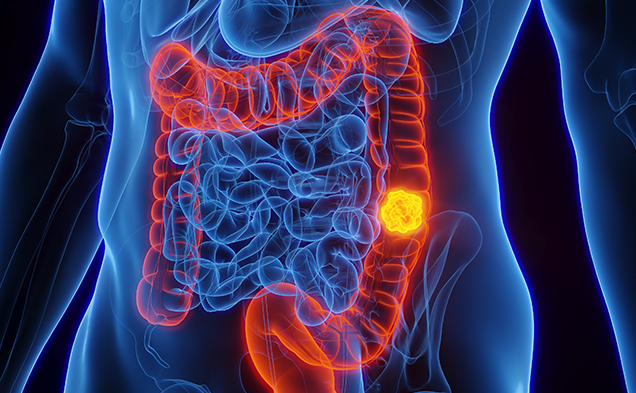
Colorectal cancer typically begins as small, noncancerous polyps that form on the inner lining of the colon or rectum. Over time, some polyps can become cancerous, highlighting the value of early detection and removal during routine screenings, such as a colonoscopy.
Image

Symptoms of Colorectal Cancer

Symptoms may vary based on the size and location of the cancer in the large intestine. Common symptoms include:

  • Changes in bowel habits, such as diarrhea, constipation, or narrowing of the stool
  • Persistent abdominal discomfort, including cramps, gas, or pain
  • Rectal bleeding or blood in the stool
  • Unexplained weight loss
  • Fatigue or weakness
  • A feeling that the bowel doesn’t empty completely

Help us get “you” the treatment you need.

Make An Appointment

Risk Factors for Colorectal Cancer

Several factors can increase the likelihood of developing colorectal cancer:
  • Age: Most cases occur in individuals over 50
  • Family History: A close relative with colorectal cancer may increase risk
  • Diet: High consumption of red or processed meats
  • Lifestyle: Sedentary lifestyle, smoking, and excessive alcohol use
  • Chronic Conditions: Inflammatory bowel diseases, such as Crohn’s disease or ulcerative colitis
  • Genetics: Inherited syndromes, like Lynch syndrome and familial adenomatous polyposis (FAP)
Image

All rights reserved B.N.D Onco Center

Designed & Developed by Tools