Cancers Treated

At B.N.D Onco Center, we specialize in treating gliomas with advanced therapies and a multidisciplinary approach. Our experienced team of neurologists, oncologists, and neurosurgeons is committed to delivering personalized, compassionate care to patients facing this complex brain cancer.

What is a Glioma?

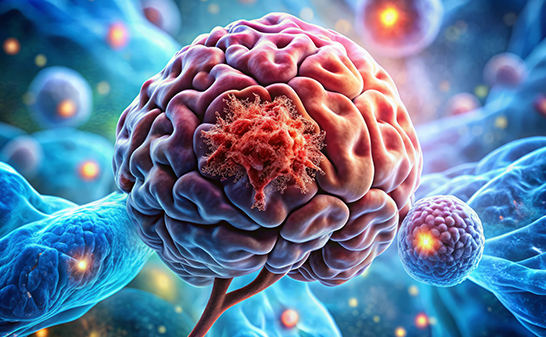
Glioma is a type of tumor that originates in the glial cells of the brain or spinal cord, which support and protect neurons. As one of the most common types of brain tumors, gliomas can vary widely in aggressiveness and are classified into different grades based on their growth rate and potential to spread.
Image

Types of Gliomas

  • Astrocytomas: Develop in astrocytes and include aggressive forms like glioblastoma.
  • Oligodendrogliomas: Arise from oligodendrocytes and are generally slower growing.
  • Ependymomas: Originate in the brain’s ventricles or spinal cord, affecting cerebrospinal fluid flow.

Symptoms of Gliomas

Symptoms depend on the tumor’s location, size, and growth rate, and may include:

  • Persistent headaches, often more intense in the morning
  • Seizures
  • Changes in vision, speech, or hearing
  • Difficulty with memory or concentration
  • Weakness or numbness in limbs
  • Nausea or vomiting

Help us get “you” the treatment you need.

Make An Appointment

Risk Factors for Gliomas

While the cause of gliomas is not fully understood, certain factors can increase the risk, including:
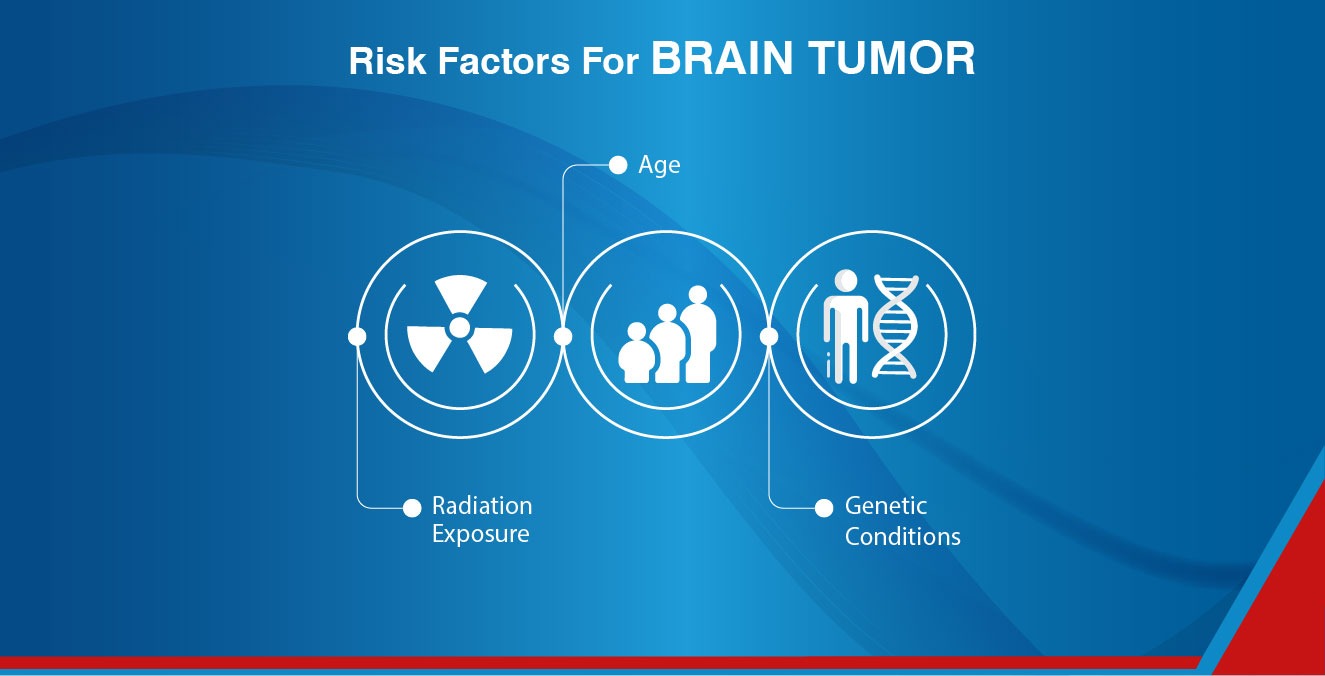
  • Age: Gliomas are more common in adults between 45 and 65, though they can occur at any age.
  • Radiation Exposure: Previous radiation therapy, especially to the head, may raise the risk.
  • Genetic Conditions: Certain hereditary disorders, such as Li-Fraumeni syndrome and neurofibromatosis, are linked to higher glioma risk.
Image

All rights reserved B.N.D Onco Center

Designed & Developed by Tools