
Ovarian cancer is a challenging and often complex condition. At B.N.D Onco Center, we provide compassionate, comprehensive care for women diagnosed with ovarian cancer. Our multidisciplinary team of specialists is committed to offering personalized treatments using the latest advancements in oncology. Whether you’re at an early stage or advanced, we’re here to guide you through every step with expertise and empathy.
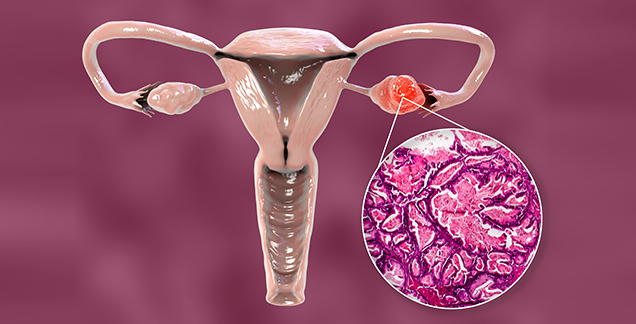
Ovarian cancer originates in the ovaries, which are part of the female reproductive system. It’s often referred to as the “silent disease” because early symptoms can be vague or mistaken for common digestive or abdominal issues. By learning about risk factors, signs, and treatment options, patients and families can make informed decisions and feel empowered in the journey ahead.

Ovarian cancer symptoms can often be subtle or attributed to other conditions. Some common symptoms include:
If these symptoms are new, persistent, and worsen over time, it’s essential to consult a healthcare professional for further evaluation.
Several factors can increase the likelihood of developing ovarian cancer, including:

At B.N.D Onco Center, we believe in providing not just treatment but total care.